
Subtotal ₹0.00

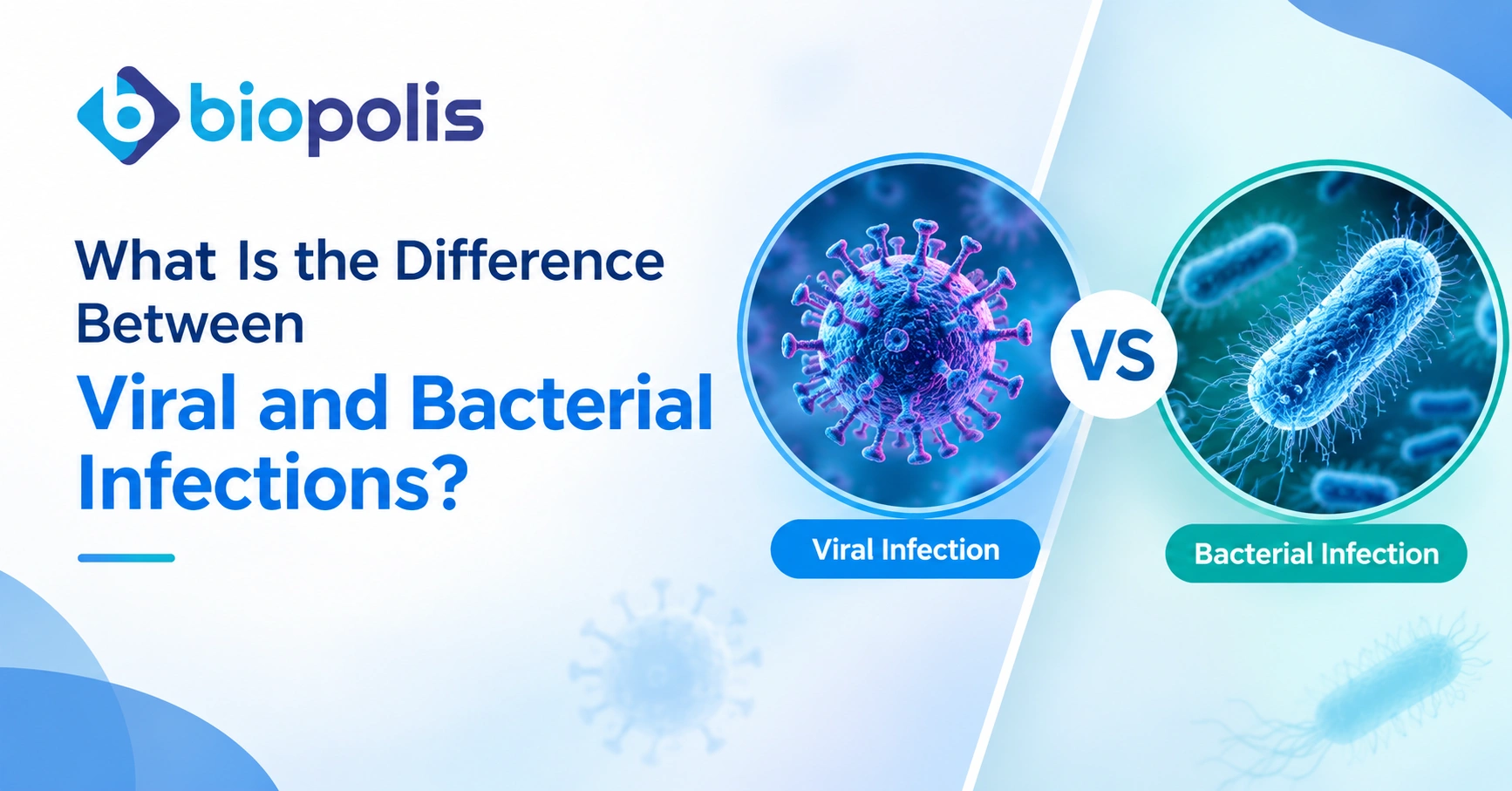
Infections happen when harmful germs enter the body and begin to multiply. Viruses and bacteria are two common types of germs that can cause infections.
Both can cause symptoms such as fever, tiredness, pain, or weakness. However, they are different in how they grow, spread, and respond to treatment.
Understanding the difference can help people avoid using medicines unnecessarily.
What Is a Viral Infection?
Viruses are very small infectious agents that need living cells to multiply.
Common viral infections include the common cold, influenza, many cases of sore throat, and some stomach infections.
Symptoms may include:
- Fever
- Cough
- Runny or blocked nose
- Sore throat
- Body aches
- Tiredness
- Headache
- Vomiting or diarrhoea in some infections
Many common viral infections improve with rest, fluids, and supportive care.
What Is a Bacterial Infection?
Bacteria are living single-celled organisms. Some bacteria are harmless or even helpful, while others can cause illness.
Examples of bacterial infections include some urinary tract infections, certain skin infections, and some types of pneumonia.
Symptoms depend on the part of the body affected. Fever, pain, swelling, redness, or discharge may occur with some bacterial infections.
How Are They Different?
Viral and bacterial infections are caused by different types of germs.
Viral infections are caused by viruses, while bacterial infections are caused by bacteria. Many common viral infections improve with rest, fluids, and supportive care.
Some bacterial infections may require antibiotics. However, antibiotics do not work against viruses.
The symptoms of both types of infection can sometimes look similar. Fever, tiredness, pain, and weakness may occur with either one. A healthcare professional may need to assess the symptoms or recommend tests to identify the cause.
Do Antibiotics Treat Viral Infections?
No. Antibiotics work against certain bacteria. They do not kill viruses.
Taking antibiotics for a viral infection will not make the infection go away faster. Unnecessary antibiotic use can also contribute to antibiotic resistance, making some bacteria harder to treat in the future.
This is why antibiotics should be taken only when prescribed by a healthcare professional.
How Is the Cause of an Infection Identified?
A healthcare professional may consider the symptoms, medical history, physical examination, and how long the illness has lasted.
In some cases, tests may be needed to identify the cause. These may include blood tests, urine tests, throat tests, or other investigations depending on the symptoms.
A fever or coloured mucus alone does not always mean that an infection is bacterial.
Can Infections Be Prevented?
Not every infection can be prevented, but simple habits can reduce the risk of spreading many infections.
- Wash hands regularly with soap and water.
- Avoid touching the eyes, nose, and mouth with unwashed hands.
- Cover coughs and sneezes.
- Avoid close contact with people who are unwell when possible.
- Keep commonly touched surfaces clean.
- Follow recommended vaccinations.
- Do not share personal items such as towels or drinking bottles.
When Should Medical Advice Be Sought?
Many mild infections improve with time. However, medical advice is important when symptoms are severe, worsening, or lasting longer than expected.
Seek prompt medical care for symptoms such as difficulty breathing, severe weakness, confusion, persistent vomiting, signs of dehydration, or a very high or prolonged fever.
People with long-term health conditions, older adults, young children, and those with weakened immunity may need medical advice sooner.
What to Remember
Viral and bacterial infections are caused by different types of germs and may need different approaches to treatment.
Antibiotics are useful for certain bacterial infections but do not treat viral infections. The right treatment depends on the cause of the illness.
When an infection does not improve, becomes worse, or causes concerning symptoms, proper medical evaluation is important.
Comments are closed