
Subtotal ₹0.00

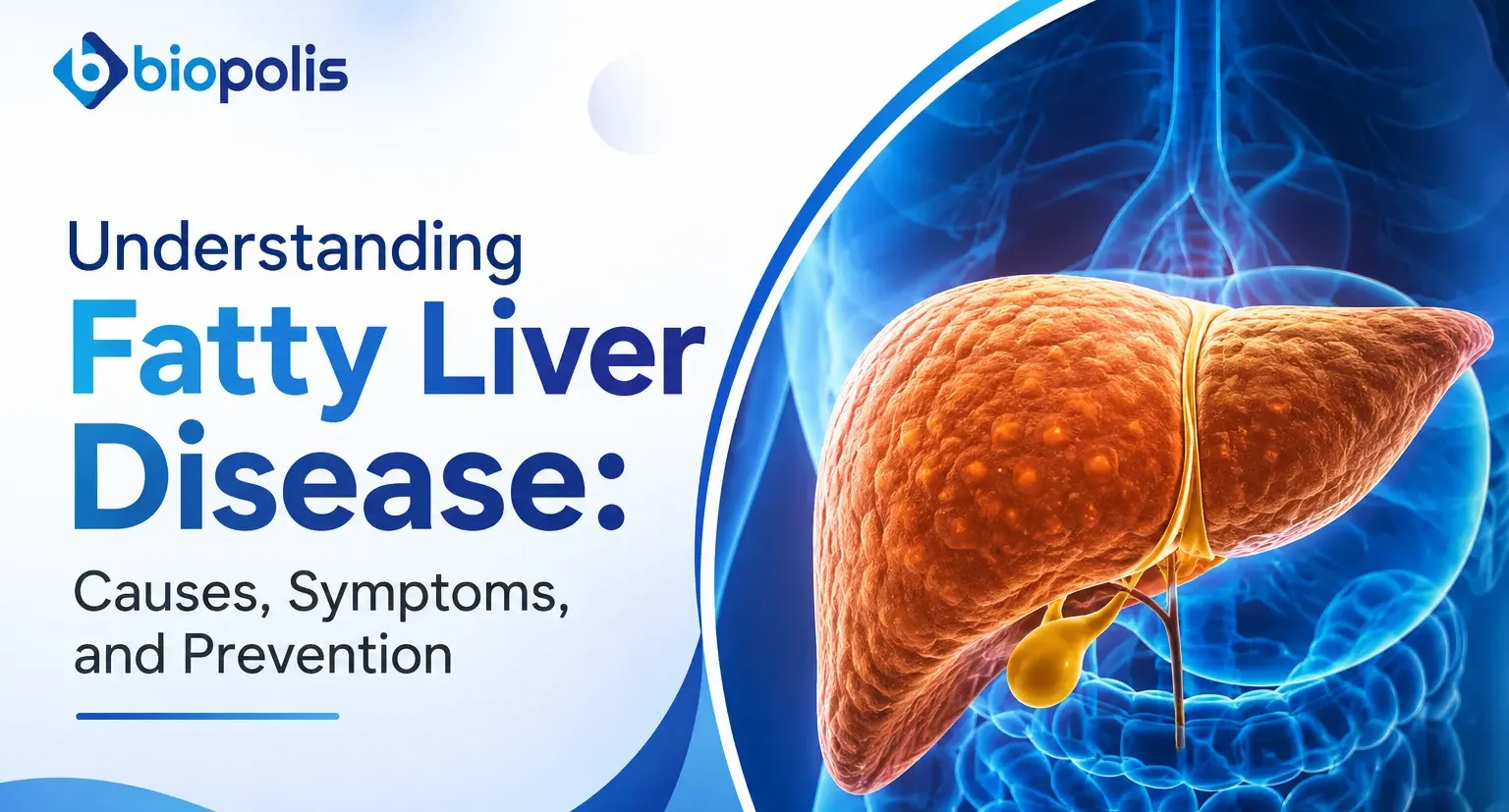
Fatty liver disease is becoming increasingly common due to changes in lifestyle, diet, and physical activity levels. While it often develops silently without noticeable symptoms, early awareness and healthy lifestyle choices can help protect liver health and reduce the risk of complications.
The liver is one of the most important organs in the body. It helps process nutrients, remove harmful substances, and supports many essential functions that keep the body healthy. When excess fat begins to accumulate in the liver, it can affect how the liver works and may lead to a condition known as fatty liver disease.
Many people are unaware they have fatty liver disease because it often develops gradually and may not cause symptoms in its early stages. In many cases, the condition is discovered during routine health checkups or imaging tests performed for other reasons.
The good news is that early detection and healthy lifestyle changes can play a major role in managing the condition and preventing further liver damage. Understanding the causes, symptoms, and preventive measures can help individuals make informed decisions about their health.
What Is Fatty Liver Disease?
Fatty liver disease occurs when excess fat builds up in the liver cells. A small amount of fat in the liver is normal, but too much fat can affect liver function and, over time, increase the risk of inflammation and liver damage.
There are different types of fatty liver disease. One of the most common forms is non alcoholic fatty liver disease, which is often associated with obesity, diabetes, high cholesterol, and other metabolic conditions. Fat accumulation in the liver can also occur in people who consume excessive amounts of alcohol.
In many cases, fatty liver disease develops slowly and may remain unnoticed for years. This is why regular health checkups are important, especially for individuals with known risk factors.
Common Causes of Fatty Liver Disease
Several factors can contribute to the development of fatty liver disease. Lifestyle habits and certain medical conditions often play a significant role.
Some common causes and risk factors include:
- Being overweight or obese
- Lack of regular physical activity
- Type 2 diabetes
- High cholesterol or high triglyceride levels
- Excessive alcohol consumption
- Unhealthy dietary habits
- Metabolic syndrome
- Certain medications and medical conditions
Having one or more risk factors does not necessarily mean a person will develop fatty liver disease, but it can increase the likelihood of fat accumulation in the liver.
Early Signs and Symptoms
One of the challenges of fatty liver disease is that it often causes no symptoms in the early stages. Many people feel completely healthy and are unaware of the condition until it is identified during a medical examination.
When symptoms do occur, they may include:
- Fatigue or low energy levels
- Discomfort or a feeling of fullness in the upper right side of the abdomen
- Unexplained weakness
- Difficulty maintaining energy throughout the day
Because these symptoms can be mild and non-specific, they are often overlooked. This highlights the importance of routine health assessments, particularly for individuals who have risk factors associated with fatty liver disease.
Lifestyle Changes That Support Liver Health
The liver has an excellent ability to recover, especially when fatty liver disease is identified early. Healthy lifestyle changes can help reduce fat in the liver and support its normal function over time.
Simple habits that can make a positive difference include:
- Eat a balanced diet that includes fruits, vegetables, whole grains, and lean sources of protein.
- Limit foods that are high in added sugars, unhealthy fats, and highly processed ingredients.
- Stay physically active with regular exercise that suits your age and fitness level.
- Maintain a healthy body weight through balanced eating and regular physical activity.
- Avoid excessive alcohol consumption, especially if advised by your healthcare professional.
- Manage conditions such as diabetes, high blood pressure, and high cholesterol with appropriate medical care.
Small and consistent lifestyle improvements are often more effective than making sudden or extreme changes that are difficult to maintain.
Can Fatty Liver Disease Be Prevented?
Although not every case can be prevented, many people can lower their risk by adopting healthy daily habits. Prevention focuses on maintaining overall metabolic health and reducing the factors that contribute to fat accumulation in the liver.
Some simple preventive measures include:
- Choose nutritious meals and control portion sizes.
- Exercise regularly throughout the week.
- Maintain a healthy weight.
- Limit alcohol intake.
- Get enough sleep each night.
- Attend regular health checkups, especially if you have diabetes, obesity, or high cholesterol.
These habits not only support liver health but also contribute to better overall health and well being.
When Should You See a Doctor?
Fatty liver disease often develops without noticeable symptoms, so regular health checkups are important, particularly for people with known risk factors.
Consult a healthcare professional if you:
- Have persistent tiredness or unexplained weakness.
- Experience ongoing discomfort in the upper right side of the abdomen.
- Have diabetes, obesity, or high cholesterol.
- Have abnormal liver function test results.
- Have a family history of liver disease.
Your healthcare professional may recommend blood tests, an ultrasound, or other investigations to assess your liver health and determine the most appropriate treatment plan.
Looking After Your Liver Every Day
Fatty liver disease is becoming more common, but it is often manageable when detected early. Understanding the risk factors, recognising possible symptoms, and making healthy lifestyle choices can help protect your liver and reduce the risk of future complications.
A balanced diet, regular physical activity, maintaining a healthy weight, and routine medical checkups all play an important role in supporting long term liver health. Taking small steps today can make a meaningful difference to your overall health in the years ahead.
Comments are closed