
Subtotal ₹0.00


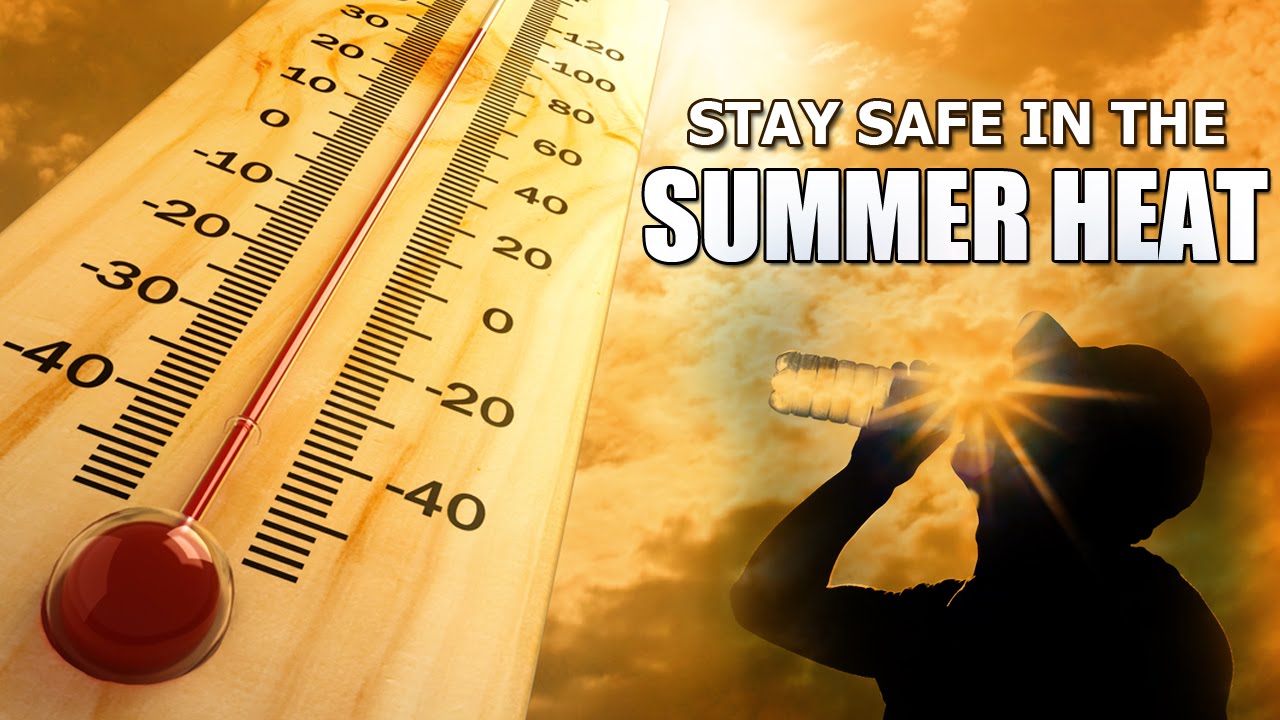
As summer temperatures soar, the risk of developing heat stroke becomes significant. Heat stroke is a serious condition that occurs when the body overheats, typically due to prolonged exposure to high temperatures or physical exertion in hot weather. It can harm important organs and can prove fatal if left untreated. Fortunately, you can enjoy the season safely and happily if you take appropriate precautions.
Understanding Heat Stroke
Heat stroke happens when your body temperature rises above 40°C (104°F), and your natural cooling system fails. Heat stroke is severe and requires medical care; it occurs with mild heat exhaustion. High body temperature, disorientation, lightheadedness, nausea, fast heartbeat, and, in extreme situations, unconsciousness are common symptoms. Early detection of these symptoms is essential to avoiding consequences.
Stay Hydrated Throughout the Day
One of the simplest and most effective ways to protect yourself from heat stroke is to stay well-hydrated. Even if you don’t feel thirsty, ensure you stay hydrated throughout the day. To replenish electrolytes, you can also add cool drinks such as fresh fruit juices, buttermilk, and coconut water.
Caffeine and sugary drinks should not be consumed in excess as they might lead to dehydration. Always have a water bottle with you if you’re going to be outside.
Dress Smart for the Heat
Your clothing choices play a big role in regulating body temperature. Put on airy, light-colored, and loose-fitting clothing that lets your skin breathe. Cotton and linen are the best materials because they absorb perspiration and keep your body cool.
Additionally, protect yourself from direct sunlight by wearing a wide-brimmed hat, sunglasses, or using an umbrella when stepping outside during peak heat hours.
Avoid Peak Sun Hours
The sun is usually at its strongest between 11 a.m. and 4 p.m. During this time, the risk of heat-related illnesses increases significantly. When temperatures are lower, schedule outdoor activities for early morning or late evening.
When you have to be out during rush times, a short rest in cool or air-conditioned spaces is necessary. Heat stroke can be prevented by limiting your time in direct sunlight.
Eat Light and Healthy
Your body’s internal temperature may rise after a heavy meal, making it more difficult to stay cool. Choose easy-to-digest, light, and healthy meals. Add lots of high-water-content fruits and vegetables, like oranges, watermelon, cucumbers, and leafy greens.
Avoid spicy and oily foods during extreme heat, as they can elevate body temperature and cause discomfort.
Keep Your Environment Cool
Keeping the interior cool is crucial, whether you’re at home or at work. To control the temperature, use air conditioning, fans, or coolers. To protect yourself from the sun’s heat, keep your blinds or drapes closed during the warmest portion of the day. Taking cool showers or using a damp cloth on your skin can also help bring down body temperature quickly.
Be Cautious During Physical Activity
Your risk of heat stroke may rise if you work or exercise outside in hot weather. If you must engage in physical activity, do it during the cooler hours and take regular pauses to stay hydrated. In intense heat, don’t push yourself too hard, and pay attention to your body if you start feeling weak or lightheaded.
Never Leave Anyone in a Parked Vehicle
Even with windows partly open, a parked automobile can heat up quickly. Children, the elderly, and pets should never be left inside a car because temperatures can get dangerously high in a matter of minutes. This is a typical cause of heat stroke that can be avoided.
Know When to Seek Help
Seek medical attention right away if someone exhibits symptoms of heat stroke, such as confusion, fainting, or an extremely high body temperature. Move the victim to a cooler area, take off any extra clothing, and attempt to reduce their body temperature with ice packs or cool water while you wait for help.
Protecting yourself from heat stroke doesn’t require drastic changes, just mindful habits and awareness. By staying hydrated, dressing appropriately, avoiding peak heat, and taking care of your body, you can significantly reduce your risk.
Summer should be a time to enjoy the outdoors, not suffer from preventable health issues. Stay cool, stay safe, and take proactive steps to keep heat stroke at bay.
Comments are closed