
Subtotal ₹0.00

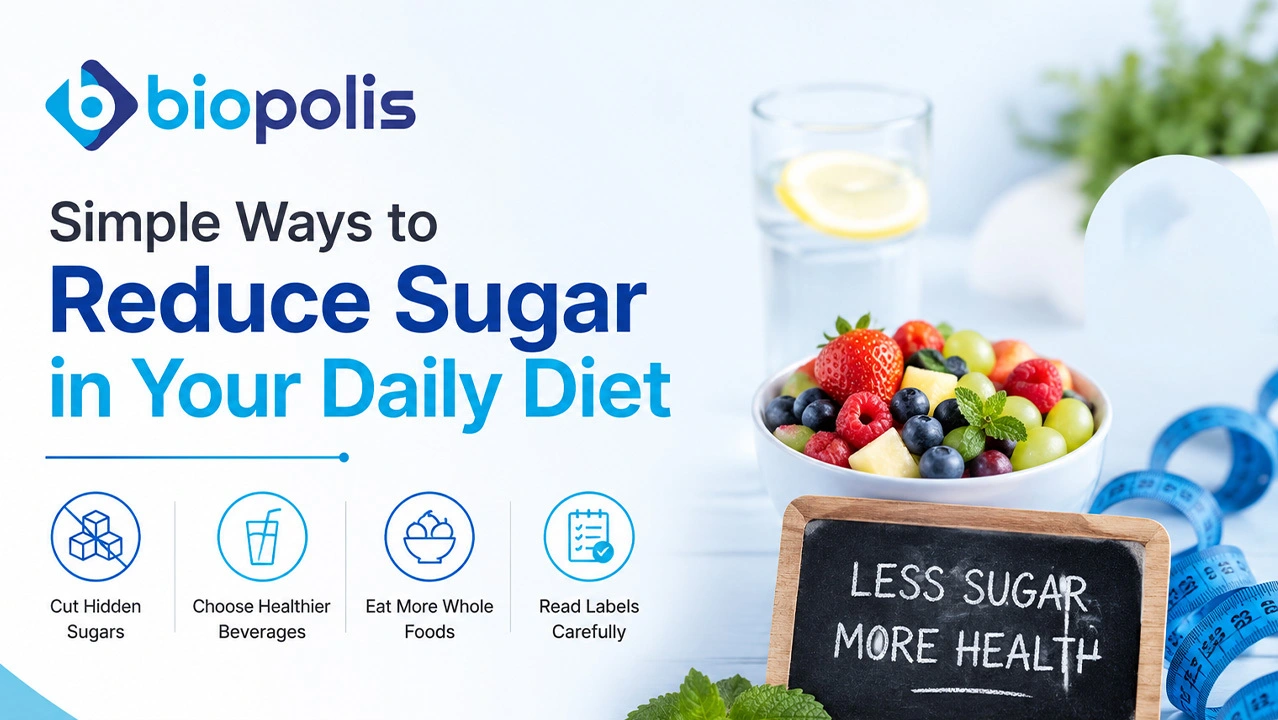
Small changes in your daily routine can help you cut back on added sugar and support better health.
Many of us enjoy sweet foods and drinks. A piece of chocolate, a soft drink, or a sweet snack can be hard to resist. While having sugar once in a while is fine, eating too much added sugar every day may affect your health over time.
The surprising part is that sugar is not only found in desserts. It is also added to many packaged foods, breakfast cereals, flavored yogurt, sauces, fruit juices, and even foods that do not taste very sweet. This means you may be eating more sugar than you realize.
The good news is that you do not have to stop eating all your favorite foods. Making a few small changes each day can help you lower your sugar intake while still enjoying a balanced diet.
Why Too Much Sugar Can Be Harmful
Your body needs energy to work properly, but too much added sugar can create health problems over time.
Eating large amounts of sugar may:
- Increase the risk of weight gain.
- Raise the chance of developing type 2 diabetes.
- Affect heart health.
- Increase the risk of tooth decay.
- Cause sudden rises and falls in energy levels.
After eating sugary foods, you may feel energetic for a short time. However, this is often followed by a drop in energy that can leave you feeling tired or hungry again.
Reducing added sugar can help you maintain steady energy levels and support your overall health.
1. Read Food Labels Carefully
Many packaged foods contain added sugar, even when they do not taste very sweet.
Before buying a product, take a moment to read the nutrition label. Look for the amount of added sugar and check the ingredient list.
Sugar may appear under different names, including:
- Sucrose
- Glucose
- Fructose
- Corn syrup
- Maltose
- Honey
- Molasses
Comparing labels can help you choose products with less added sugar.
2. Choose Water Instead of Sugary Drinks
Soft drinks, energy drinks, sweetened tea, and packaged fruit juices are some of the biggest sources of added sugar.
Instead of reaching for a sugary drink, choose water whenever possible. If you want more flavor, add slices of lemon, orange, cucumber, or fresh mint.
Making this one change can greatly reduce your daily sugar intake.
3. Eat Whole Fruits Instead of Sweets
When you want something sweet, try eating fresh fruit instead of candy or desserts.
Whole fruits contain natural sugar along with fiber, vitamins, and minerals. The fiber helps slow down the absorption of sugar, making fruit a healthier choice.
Apples, oranges, berries, bananas, and pears are all great options for a naturally sweet snack.
4. Choose Healthy Snacks
Many packaged snacks contain hidden sugar.
Instead, keep healthier options nearby, such as:
- Fresh fruit
- Unsweetened yogurt
- Nuts
- Roasted chickpeas
- Vegetable sticks with hummus
Healthy snacks can help you stay full between meals and reduce cravings for sugary foods.
5. Cut Back on Sugar Slowly
You do not have to stop eating sugary foods all at once. Making small changes is often easier and more likely to become a long-term habit.
Start by reducing the amount of sugar you add to your tea or coffee. If you usually have two teaspoons, try one and a half, then slowly reduce it over time.
You can also enjoy sweets less often instead of every day. Small changes made consistently can have a big impact on your health.
6. Eat More Protein and Fiber
Meals that include protein and fiber can help you feel full for longer. This may reduce the urge to snack on sugary foods.
Good sources of protein include:
- Eggs
- Lentils
- Beans
- Fish
- Chicken
- Greek yogurt
Foods rich in fiber include:
- Whole grains
- Fruits
- Vegetables
- Oats
- Nuts and seeds
A balanced meal can help keep your energy steady throughout the day.
7. Reduce Sugar in Tea and Coffee
Many people consume extra sugar through tea and coffee without realizing it.
If you enjoy sweetened drinks, try using less sugar each week until your taste adjusts. You may find that you enjoy the natural flavor of your drink over time.
You can also choose plain milk or unsweetened beverages instead of flavored drinks that often contain added sugar.
8. Cook More Meals at Home
Preparing meals at home gives you better control over what goes into your food.
Restaurant meals and packaged foods often contain added sugar to improve taste or extend shelf life. Cooking at home allows you to use fresh ingredients and reduce unnecessary sugar.
Simple homemade meals can be both healthy and satisfying.
Healthy Alternatives to Sugary Foods
You do not have to give up sweet foods completely. Choosing healthier options can satisfy your cravings while adding more nutrients to your diet.
Some good alternatives include:
- Fresh fruit
- Plain yogurt topped with fruit
- A handful of nuts
- Homemade smoothies without added sugar
- Oatmeal with sliced bananas or berries
- Peanut butter with apple slices
These foods provide natural sweetness along with vitamins, minerals, and fiber.
Healthy Habits for the Whole Family
Healthy eating becomes easier when the whole family takes part.
You can encourage better habits by:
- Keeping healthy snacks within easy reach.
- Serving water with meals instead of sugary drinks.
- Limiting sweets to special occasions rather than everyday treats.
- Preparing homemade meals whenever possible.
- Setting a good example through your own food choices.
Children often learn by watching the adults around them. Small family changes can lead to lifelong healthy habits.
Small Changes Can Make a Big Difference
Reducing sugar does not mean giving up all the foods you enjoy. The goal is to make healthier choices more often and find a balance that works for you.
Start with one or two simple changes, such as drinking more water or choosing fruit instead of sweets. As these habits become part of your routine, you can make additional changes over time.
A balanced diet, regular physical activity, and mindful eating all work together to support good health. By cutting back on added sugar, you can improve your energy levels, protect your teeth, support a healthy weight, and lower your risk of several long-term health problems.
Remember, healthy eating is about progress, not perfection. Every small step you take today can help build healthier habits for the future.
Comments are closed