
Subtotal ₹0.00

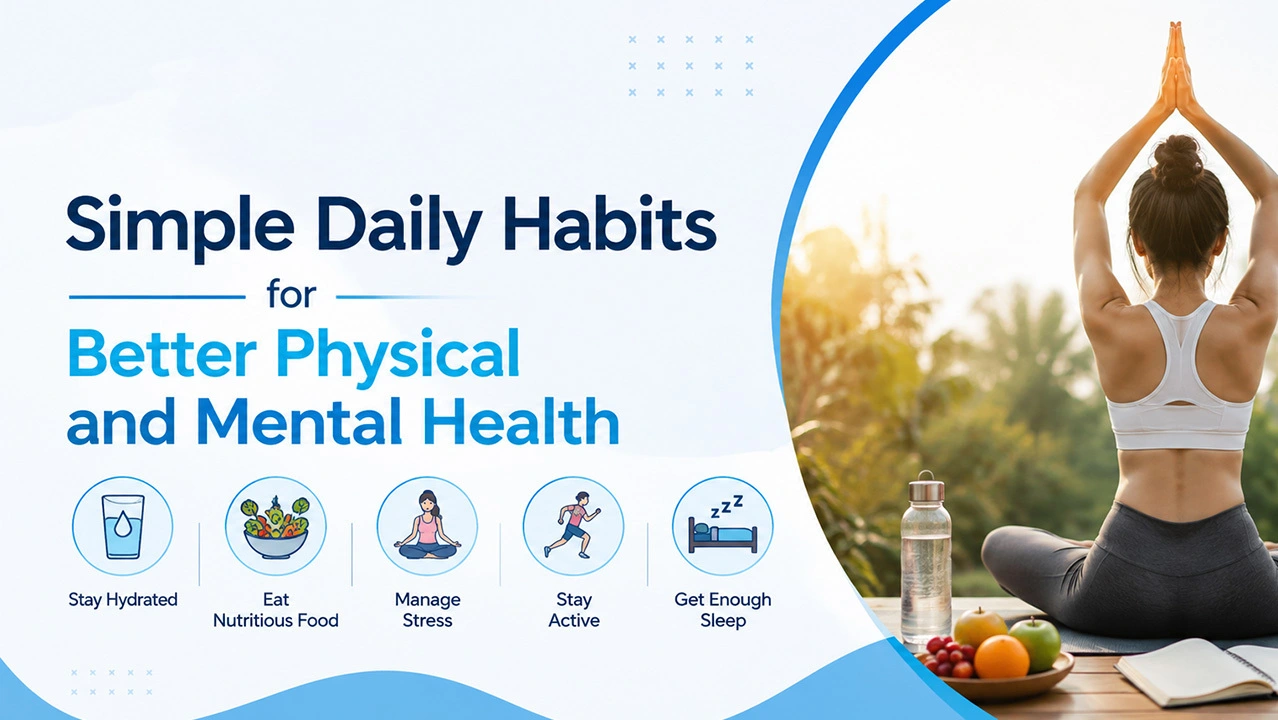
Good health is built through small, consistent choices made every day. Simple habits like eating well, staying active, getting enough sleep, and managing stress can have a lasting impact on both physical and mental well-being.
Living a healthy life doesn’t always require major changes. In fact, the small choices you make each day can have a significant impact on your overall health. Eating nutritious meals, staying active, sleeping well, and taking time to relax are simple habits that can help you feel your best.
Physical and mental health are closely connected. When you take care of your body, your mind often benefits too. Likewise, managing stress and maintaining a positive mindset can support better physical health. Building healthy habits into your daily routine can improve your energy levels, strengthen your immune system, enhance your mood, and lower the risk of many long-term health conditions.
The key is consistency rather than perfection. Making small, sustainable changes over time is often more effective than trying to change everything at once.
In this guide, we’ll explore simple daily habits that can help support better physical and mental health and improve your overall well-being.
Why Do Daily Habits Matter?
Your everyday routine plays an important role in your overall health. Healthy habits help your body function efficiently while supporting emotional well-being and reducing the risk of lifestyle-related health problems.
Positive daily habits can help:
- Improve energy levels
- Support a healthy immune system
- Maintain a healthy weight
- Improve sleep quality
- Reduce stress
- Enhance concentration and productivity
- Support heart health
- Promote long-term well-being
Even small improvements can make a meaningful difference when practiced consistently.
1. Start Your Day with a Nutritious Breakfast
Breakfast provides your body with energy after a night’s sleep and helps prepare you for the day ahead. A balanced breakfast can improve concentration, support energy levels, and help prevent unnecessary snacking later in the day.
Try to include foods such as:
- Whole grains
- Fresh fruits
- Eggs
- Milk or yogurt
- Nuts and seeds
Skipping breakfast regularly may leave you feeling tired or less focused during the morning.
2. Stay Hydrated Throughout the Day
Water is essential for almost every function in the body. It supports digestion, helps regulate body temperature, transports nutrients, and keeps your body functioning properly.
Drink water regularly throughout the day rather than waiting until you feel thirsty. Your hydration needs may vary depending on your age, activity level, weather, and overall health.
You can also increase your fluid intake by including water-rich foods such as watermelon, cucumber, oranges, and tomatoes in your diet.
3. Make Time for Daily Physical Activity
Regular physical activity benefits both your body and your mind. It helps strengthen muscles and bones, improves heart health, supports healthy weight management, and boosts mood.
You don’t have to spend hours exercising. Activities such as brisk walking, cycling, dancing, stretching, yoga, or playing outdoor games can all contribute to better health.
Aim to include some form of physical activity in your daily routine, even if it’s only for a short period.
4. Eat a Balanced Diet
A nutritious diet provides your body with the vitamins, minerals, protein, healthy fats, and carbohydrates it needs to function properly.
Try to include a variety of foods in your daily meals, including:
- Fresh fruits
- Vegetables
- Whole grains
- Lean protein sources
- Dairy or suitable alternatives
- Healthy fats from nuts, seeds, and vegetable oils
Limiting highly processed foods, sugary drinks, and excessive salt can also support better long-term health.
5. Get Enough Quality Sleep
Sleep is essential for both physical recovery and mental well-being. During sleep, the body repairs tissues, strengthens the immune system, and supports memory and learning.
Adults generally need around 7 to 9 hours of sleep each night, although individual needs may vary.
To improve sleep quality:
- Go to bed and wake up at the same time each day.
- Avoid large meals and caffeine close to bedtime.
- Keep your bedroom quiet, dark, and comfortable.
- Reduce screen use before going to sleep.
Good sleep helps you wake up feeling refreshed and ready to take on the day.
6. Manage Stress in Healthy Ways
Stress is a normal part of life, but ongoing stress can affect both physical and mental health. It may lead to headaches, poor sleep, fatigue, changes in appetite, difficulty concentrating, and mood changes.
Finding healthy ways to manage stress can improve your overall well-being.
Some simple ways to reduce daily stress include:
- Take short breaks during a busy day.
- Practice deep breathing or meditation.
- Spend time doing activities you enjoy.
- Listen to music or read a book.
- Stay physically active.
- Spend time outdoors whenever possible.
- Talk to someone you trust when you feel overwhelmed.
Managing stress doesn’t mean avoiding challenges—it means finding healthy ways to cope with them.
7. Limit Screen Time and Take Regular Breaks
Digital devices have become an important part of everyday life, but spending too much time in front of screens can affect your eyes, posture, sleep, and mental well-being.
Whether you’re working, studying, or relaxing, remember to take regular breaks from screens.
Some healthy screen habits include:
- Follow the 20-20-20 rule: Every 20 minutes, look at something about 20 feet away for 20 seconds.
- Avoid using phones or tablets just before bedtime.
- Maintain good posture while using electronic devices.
- Balance screen time with physical activity and hobbies.
Small changes can help reduce eye strain and improve overall comfort.
8. Practice Good Personal Hygiene
Good hygiene is one of the simplest ways to protect yourself and those around you from infections.
Healthy hygiene habits include:
- Wash your hands regularly with soap and water.
- Brush your teeth twice a day.
- Bathe regularly.
- Keep your nails clean and trimmed.
- Wear clean clothes.
- Cover your mouth and nose when coughing or sneezing.
These everyday practices help reduce the spread of germs and support overall health.
9. Stay Connected with Family and Friends
Strong social connections play an important role in emotional well-being. Spending time with family and friends can help reduce feelings of loneliness, improve mood, and provide support during difficult times.
Simple ways to stay connected include:
- Sharing meals together.
- Calling or visiting loved ones.
- Participating in community activities.
- Making time for meaningful conversations.
- Offering support to others when needed.
Healthy relationships contribute to better mental health and a greater sense of belonging.
10. Schedule Regular Health Checkups
Regular health checkups help detect potential health concerns before they become more serious. Even if you feel healthy, routine medical visits can support early diagnosis and preventive care.
Your healthcare provider may recommend checkups based on your age, medical history, and individual health needs.
Routine health visits may include:
- Blood pressure monitoring
- Blood sugar testing
- Cholesterol checks
- Vaccination updates
- General physical examinations
- Age-appropriate health screenings
Seeking medical advice early can help manage health conditions more effectively.
Building Healthy Habits Every Day
Good health is not achieved through occasional efforts but through the small choices we make every day. Eating nutritious foods, staying active, getting enough sleep, managing stress, and maintaining healthy relationships all contribute to a healthier body and mind.
You don’t need to change your entire lifestyle overnight. Start with one or two simple habits and gradually build on them. Small, consistent steps are often easier to maintain and can lead to lasting improvements in your overall well-being.
By making healthy choices part of your daily routine, you can support your physical health, strengthen your mental well-being, and enjoy a healthier, more balanced life for years to come.
Comments are closed