
Subtotal ₹0.00

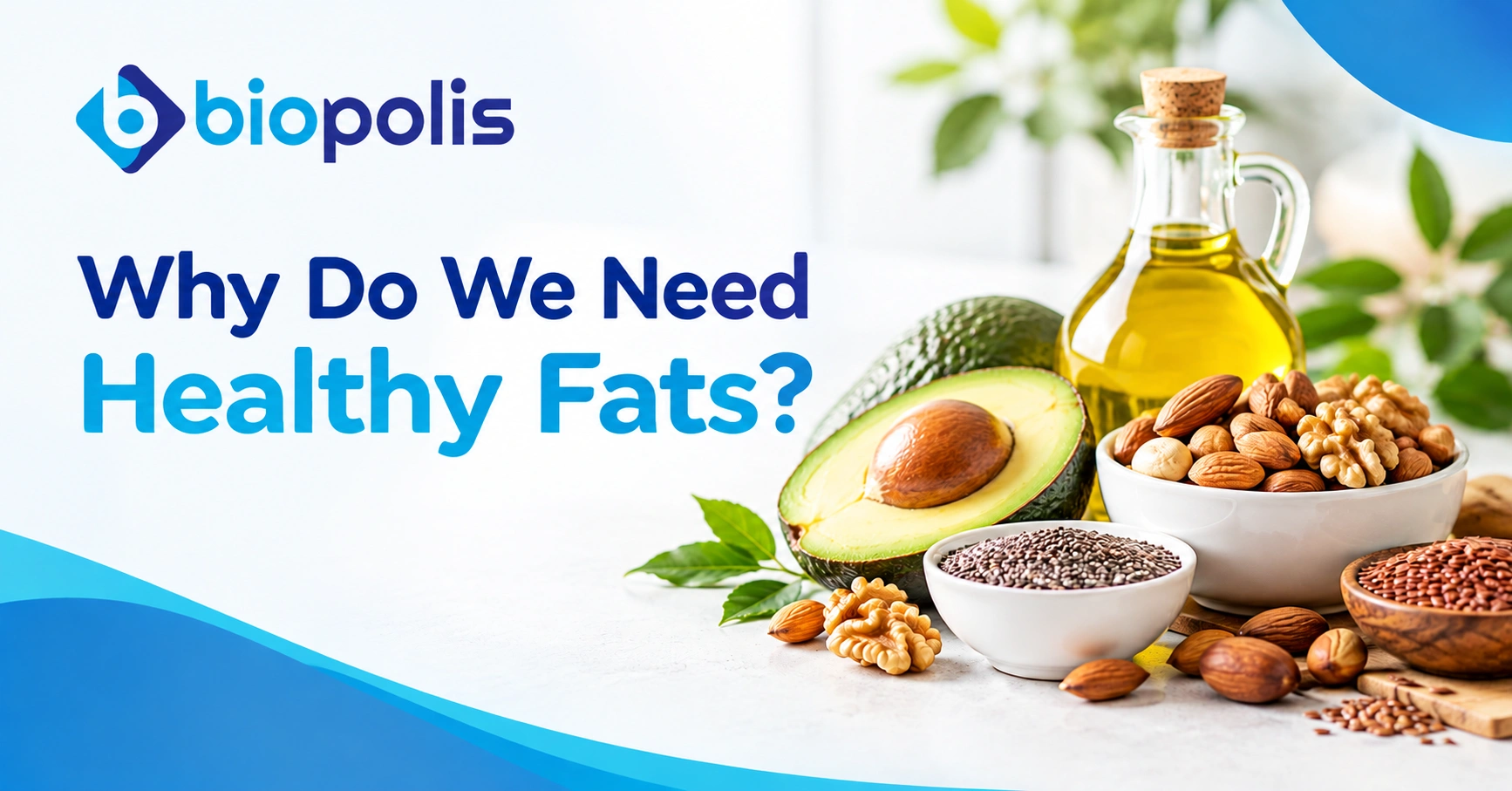
Fat often gets a bad name, but your body actually needs fat to work properly.
The key is choosing the right types and having them in suitable amounts.
Healthy fats can support the heart, brain, hormones, and absorption of certain vitamins. They are also an important source of energy.
What Are Healthy Fats?
Healthy fats mainly include unsaturated fats.
They are found naturally in foods such as nuts, seeds, fish, avocados, and some plant oils.
There are two main types:
- Monounsaturated fats
- Polyunsaturated fats
Omega-3 and omega-6 fatty acids are also types of polyunsaturated fats that the body needs.
Why Does the Body Need Fat?
1. Fat Provides Energy
Fat is a concentrated source of energy.
The body can use it as fuel, especially when energy needs are higher or food intake is lower.
This is one reason fat is an important part of a balanced diet.
2. It Helps Absorb Certain Vitamins
Some vitamins need fat to be absorbed properly.
These include vitamins A, D, E, and K.
Eating foods that contain healthy fats along with these vitamins can help the body absorb them.
3. It Supports the Brain
The brain contains a large amount of fat.
Certain fatty acids, especially omega-3 fats, play important roles in brain structure and function.
Sources include fatty fish, walnuts, flaxseeds, and chia seeds.
4. It Supports Heart Health
Replacing foods high in saturated fats with foods rich in unsaturated fats can support heart health.
For example, using suitable plant oils instead of butter or choosing nuts instead of highly processed snacks can be a simple change.
5. It Helps Build Cell Membranes
Every cell in the body has a membrane.
Fats are important building blocks of these membranes and help cells function properly.
6. It Can Help You Feel Full
Fat takes longer to digest than carbohydrates.
Including some healthy fat in a meal can help you feel satisfied for longer.
For example, adding nuts or seeds to a meal can make it more filling.
Which Foods Contain Healthy Fats?
You can get healthy fats from many everyday foods.
Good sources include:
- Almonds and walnuts
- Peanuts
- Chia and flaxseeds
- Sunflower and pumpkin seeds
- Avocado
- Fatty fish such as salmon and sardines
- Plant oils such as olive, mustard, and groundnut oil
The goal is not to add large amounts of fat to your diet. It is to choose better sources as part of balanced meals.
What About Saturated Fat?
Not all fats have the same effect on health.
Saturated fats are found in foods such as butter, ghee, fatty meats, and some full-fat dairy products.
They do not need to be removed completely, but having too much saturated fat regularly can raise LDL cholesterol and increase heart disease risk.
Replacing some saturated fats with unsaturated fats can be a healthier choice.
What About Trans Fats?
Trans fats are different.
They can raise LDL cholesterol and lower HDL cholesterol, increasing the risk of heart disease.
Industrially produced trans fats are found in some processed and fried foods.
It is best to avoid foods containing industrial trans fats whenever possible.
Does Eating Fat Make You Gain Weight?
Eating fat does not automatically cause weight gain.
However, fat contains more calories per gram than carbohydrates or protein.
So, large amounts can add many calories to the diet.
The amount you eat matters along with the overall quality of your diet and your activity level.
Healthy fats are best included in moderate amounts rather than eaten freely.
How Can You Add Healthy Fats to Your Diet?
Small changes can make a difference.
You can:
- Add nuts or seeds to breakfast.
- Use suitable plant oils in cooking.
- Include fish as part of balanced meals.
- Add avocado to salads or meals.
- Choose nuts instead of highly processed snack foods.
- Use healthy fats to replace, rather than simply add to, foods high in saturated fat.
A balanced diet is about the overall pattern, not one single food.
Do You Need to Avoid All Fat?
No.
Removing all fat from the diet is not necessary and may make it harder to get enough essential fatty acids and fat-soluble vitamins.
Instead, focus on the type of fat, the amount, and the foods it comes from.
A handful of nuts, seeds in a meal, or fish as part of a balanced diet can provide useful fats without relying heavily on processed foods.
What to Remember
Fat is not something the body simply needs to avoid.
The body needs certain fats for energy, cell function, vitamin absorption, brain health, and more.
The better approach is to choose more unsaturated fats, limit saturated fats, and avoid industrial trans fats.
Healthy eating is not about cutting out fat. It is about choosing the right fats in the right amounts.
Comments are closed